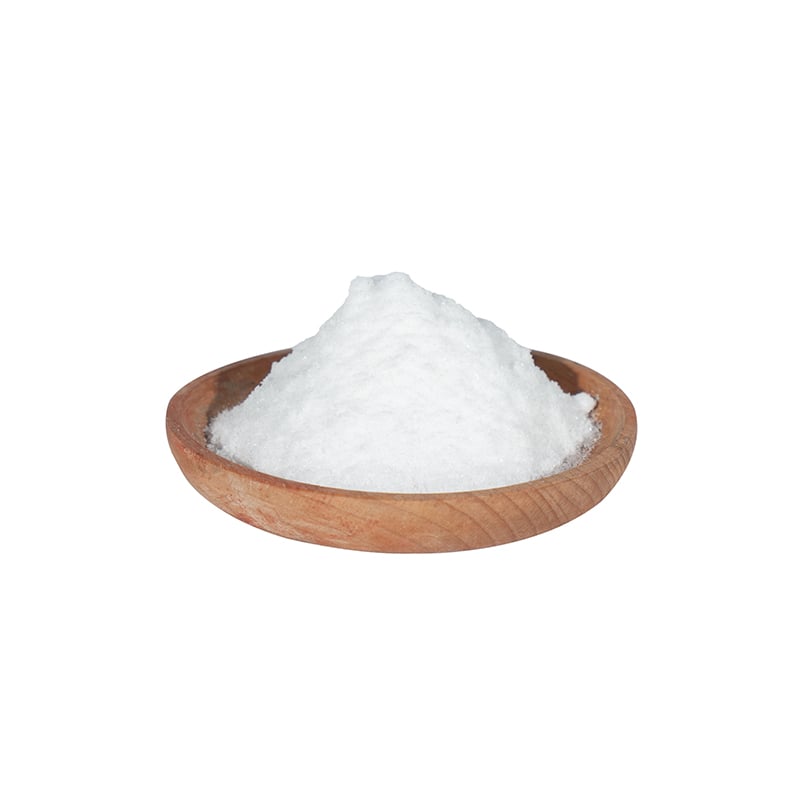
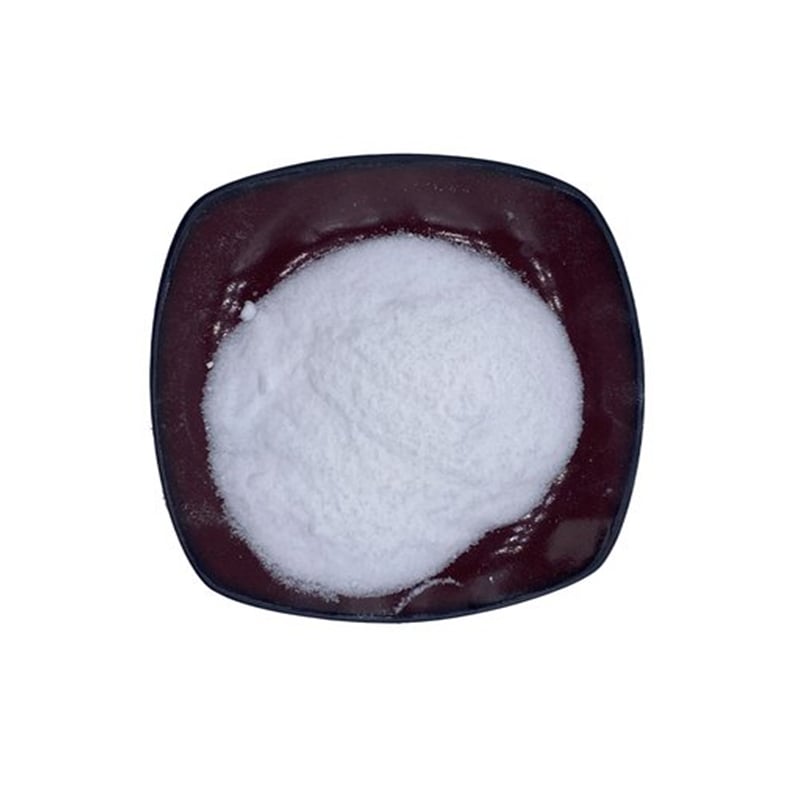
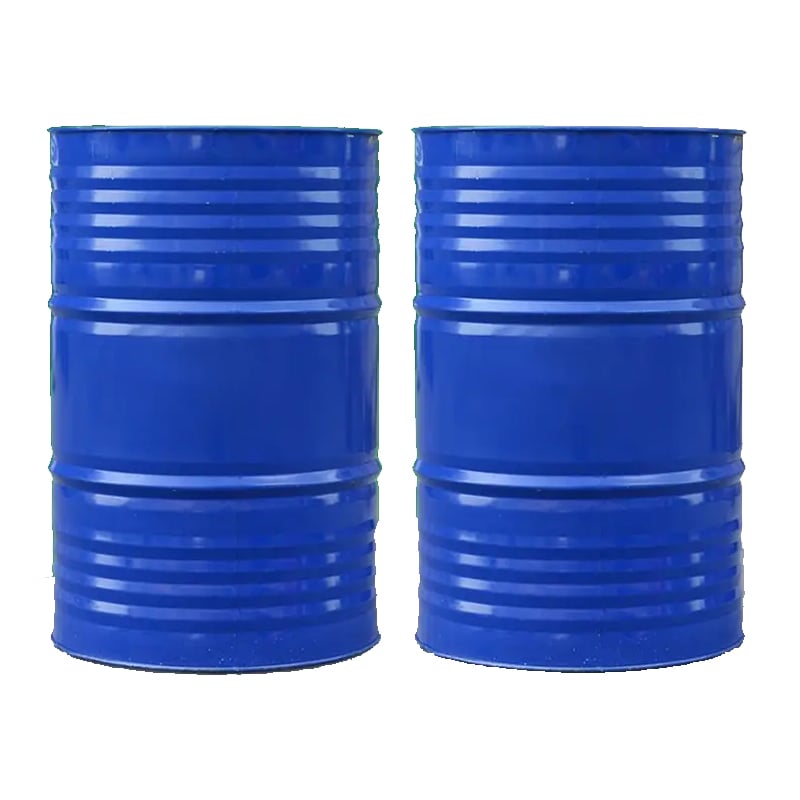
Calcium chloride is a fantastic compound, helping you to create pristine cheese every time. By adding calcium chloride to milk for cheese production, they will be able to get better taste and texture in final made one. Here in this article, we will share with you the different benefits of using calcium chloride while making cheese.
Cheese needs to be made right with careful watch in order to beef a quality. Calcium chloride is essential in the sense that it weakens cheese and helps produce high quality cheeses with excellent texture, flavor. The cheese will not taste and feel like it should, without the addition of calcium chloride.
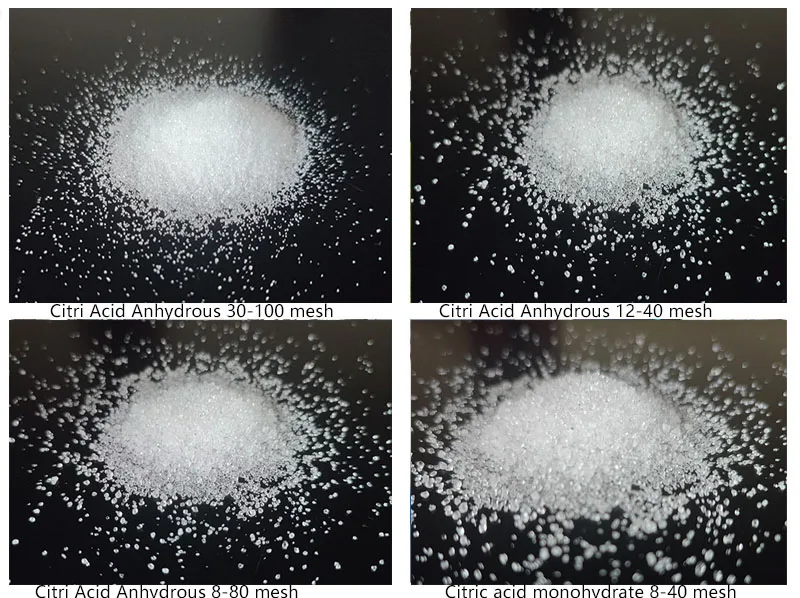
The quality of the cheese produced can be harmed when pasteurizing milk because it heats up to a point where some thereof molecules break way from each other. Incorporating calcium chloride into the milk prior to heating will provide bindability by allowing it with a high content of body strengthening proteins in the compound. This fortification, as a benefit to the milk after being pasteurised allows it keep hold of its original quality until end user thus positive results.

When milk is made into cheese, calcium chloride can be added to induce a reaction that creates curd with better integrity. This stiffening is brutally a result of the amalgamation between calcium in the compound with casein proteins within milk. Thus, the curd will be easier to cut and it makes whey separation better. This step is very important as it lays the foundation for many different types of cheeses the cheese makers are able to create.
Better Texture, Better FlavorBy using Calcium Chloride to create a firmer texture on the outside of your ingredients you lock in all that flavor.
Milk treated with calcium chloride produces cheeses that hold a much improved texture on their own, and the flavor is better in comparison to those made without it. Calcium chloride is added so that the cheese does not lose all of its moisture, this allows to get a product rich and creamy. Not only that, but the compound helps to breakdown proteins in milk which results in cheese aging more gracefully and developing a deeper complexity of flavors.
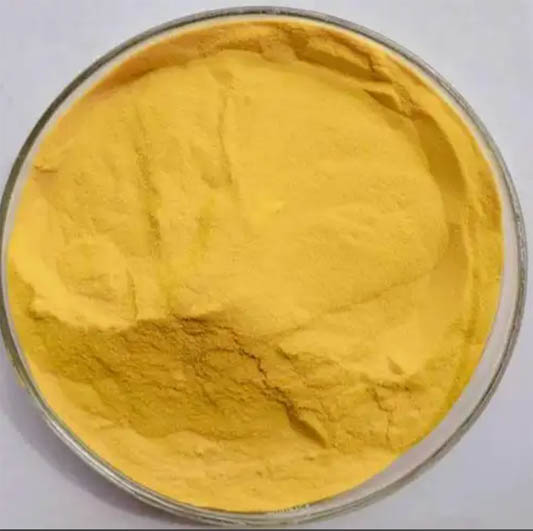
Artisanal dairy brands use age-old methods when creating their distinctive and delicious cheese. Adding calcium chloride to their process is crucial for creating a stable, quality end product. Raw milk is very inconsistent in terms of how many naturally occurring enzymes it contains, but by adding calcium chloride to their milk, artisanal cheese makers are able to standardize the coagulation process.
Summary in short, calcium chloride is uber important in cheese making. Its contributions make for cheeses with a luxurious mouthfeel and subtle taste profile. When cheese makers understand how calcium chloride fits in the process of making cheese, they can make amazing top-grade cheeses that are loved by many.
calcium chloride for cheese making. The quality can be delivered by more us uncomplicated to our clients. Our factory is accredited with REACH and ISO-9001-2015 certificates.
business covers an area is approximately 300 acres with total asset around 300 million dollars. sales network spans 30 provinces China as well as more than 50 countries regions Europe as well as the United States, Southeast Asia, etc. is most calcium chloride for cheese making company the local 2-ethylanthraquinone sector the market leader in industry hydrogen peroxide.
We're invested in addressing the needs of our calcium chloride for cheese making. Technical support, that features free product, sample testing, and analyses of examples can give you all the information you need to fit the bill at any time. Professional distribution and transportation, cross-regional service, long-term cooperation with various logistics companies plus the logistics team makes sure that your products or services arrive on time.
Are Only calcium chloride for cheese making Advanced Production Workshops Technology Research.The R D Team, Qc and Production Team involved in the development processes quality assurance.
Copyright © Shandong MenJie New Material Co.,Ltd. All Rights Reserved
 EN
EN
 AR
AR BG
BG HR
HR NL
NL FI
FI FR
FR DE
DE IT
IT KO
KO NO
NO PL
PL PT
PT RU
RU ES
ES SV
SV TL
TL ID
ID LV
LV SL
SL UK
UK VI
VI SQ
SQ HU
HU MT
MT TH
TH TR
TR FA
FA MS
MS BE
BE HY
HY AZ
AZ KA
KA BN
BN CEB
CEB